
Writing ourselves into the future is life-sustaining, keeping our ancestors and stories alive.

I have never really considered myself a writer. This feeling stemmed from my histories and relationships with writing, primarily shaped by my experiences with formal schooling. However, I did experience a seismic shift a few years ago when my dear mentor, Shirin Vossoughi, introduced me to writing as a transformative act grounded in critical historicity and creative possibility. Ever since, I have been learning to practice writing as a form of sacred connection and a way to rekindle our ancestral, ecological, and spiritual relationships. I invite you to explore some of my work below. You will find an ever-growing collection of articles, book contributions, essays, publications, and zines.
Articles and Essays
-
![Close-up of an olive tree branch with green olives, against a blurred background of a blue sea and sky.]()
The Land Keeps the Score
Read on Everything is Political
The land remembers, not just the horrors of plunder at the hands of the colonizer, but the medicine, prayers, and rituals of those who care(d) for her. When we surrender ourselves to the earth, we are actively remembering and opening ourselves up to the gifts she has to offer. We are returning to the ancient, sacred wisdom of our ancestors who knew how to listen to what the land knows. -
![Close-up of moss and lichen growing on a forest floor, featuring a green leafy plant with red-edged ruffled leaves.]()
Unlearning Individualism: Mutual Aid as a Pathway for Liberation
Read on Uncharitable Papers
Mutual aid reminds us that a new world isn’t just possible but is already in motion. It lives in the networks of care we are cultivating. It pulses through spaces of grief and healing where we gather. It ripples through our imagination. If we pay attention to what is happening around us, we begin to notice the ways in which a multitude of species practice worldbuilding, offering glimpses of the future possibilities we seek to nurture. -
![Close-up of a dandelion seed head with some seeds floating away, against a dark background.]()
Designing Beyond the Colonial Imaginary
Read on UX Collective
As the movement to decolonize our design practices continues to grow and emerge, I think it is important to reflect on how we can imagine, practice, and build outside the confines of the colonial imaginary. This requires us to implicate ourselves within the colonial systems we live under and recognize the ways in which we maintain and (re)produce colonial norms within the work we engage in.
-
![A heart shape made of yellow and brown fallen leaves.]()
The State Cannot Hold this Kind of Love
Read on Everything is Political
There are many kinds of love the state cannot legitimize, let alone protect. The love preserved in the prayers of our ancestors. The love held in how we care for and protect the earth. The love carried in queer entanglements. The love found in the dreams of our future kin. This is a meditation on that kind of love. The kind of love the state was never meant to hold and the kind we must refuse to let it steal from us
-
![Close-up of a tree trunk with moss, fallen leaves, and small branches.]()
Dependency by Design: Unpacking the Neocolonial Roots of Philanthropy
Read on Uncharitable Papers
We do not need better philanthropy—we need to end our reliance on it altogether and render it obsolete. This is not about reform, which merely rebrands the problem. This is about composting the logics that tether us to control and scarcity, and nurturing new ways of being rooted in dignity, reciprocity, and trust. We desperately need a radical reorientation of how power, resources, and responsibility are held and realised.
-
![Colorful, neon light abstract artwork featuring a person's face with glowing lips and hair, set against a black background.]()
Nothing about this Bodymind is Accidental
Read on Everything is Political
There is rebellion in loving your bodymind without apology, in remembering that your grief and rage, too, are sacred and neither can be tamed. In these moments of defiance, we are not debating the terms of our existence but rightfully taking back our sovereignty. In doing so, we are creating our own blueprints and maps that are alive, layered, and messy. That refuse to distort the complexity the state tried to erase, that reject the legitimacy of borders drawn to displace us from our kin, that remember our bodyminds are living archives.
-
![Two people shaking hands in a professional setting with smiling individuals in the background.]()
Reclaiming Power in Spaces of (Un)Belonging
Read on The Inclusion Solution
Reclaiming our power requires us to create pockets of tenderness, joy, and rest. This is easier said than done, especially when our right to nurture ourselves and our communities is stolen from us. Many of us are conditioned to feel guilt, shame, and selfishness for protecting our peace and honoring our bodies. In reality, sustaining ourselves is necessary for survival and resistance, especially within spaces that are designed to demonize and discard us.
-
![Close-up of colorful words on a light blue background, including 'COERCIVE', COLLABORATION', 'CORPORATE', 'CO-DESIGN', 'COMMUNITY', 'COMMODIFIED and some partially visible words.]()
The Buzzwordification of Co-Design
Read on UX Collective
In recent years, co-design has emerged as an increasingly popular area of interest to drive social change and transformation. Many practitioners hail co-design as the “solution” to community engagement as it fosters creativity, enables collaboration, and catalyzes innovation. However, what claims to be a way to democratize our design practices and share power ends up being a reproduction of whiteness and coloniality.








Featured Publications
I contributed a chapter “So you want to decolonise trauma?” as part of this collection that explores designing content in trauma-informed and trauma-responsive ways. This work interrogates how colonial legacies continue to shape our understandings of harm and healing, offering pathways toward relational approaches that center cultural reclamation and embodied truth.
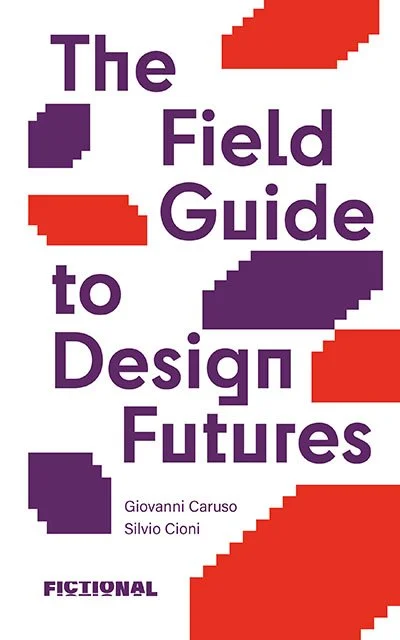
This field guide weaves together contributions from over 30 academics, designers, and professionals engaged in foresight and futures work. My contribution “What if the future is not only ours to create?” is an urgent provocation to uproot human supremacy and create possibilities for multi-species worldmaking.
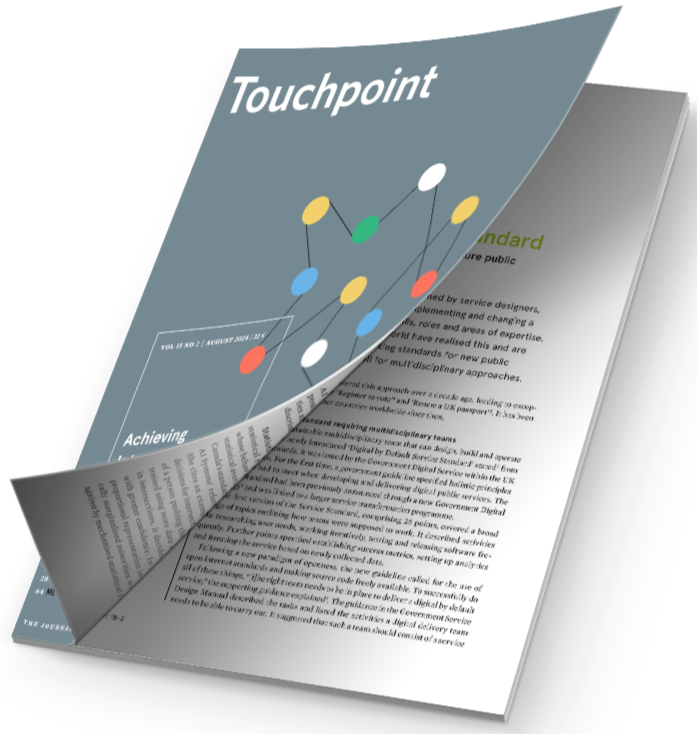
This paper, co-authored with Christine Flanagan, explores how service design can be leveraged as a catalyst for relational change, in service of transforming higher education by addressing the equity gap and shifting conventional power dynamics. This work hopes to inspire emergent service design practices that purposefully seek to build connections and reciprocal relationships.

This collaborative paper explores the possibilities of feminist abolitionist pedagogies in a youth makerspace. Our data sources (extensive field notes, audio–video recordings, photographs, and student interviews) are drawn from Hubspace, a 6-week summer program serving Black, Latine/x, and South Asian middle school youth in the Midwestern United States. This work illustrates how such pedagogies offered lived models and creative languages for practicing restorative and just social relationships, while generating alternate forms of thinking, living, and relating, or the making of new stories and worlds.
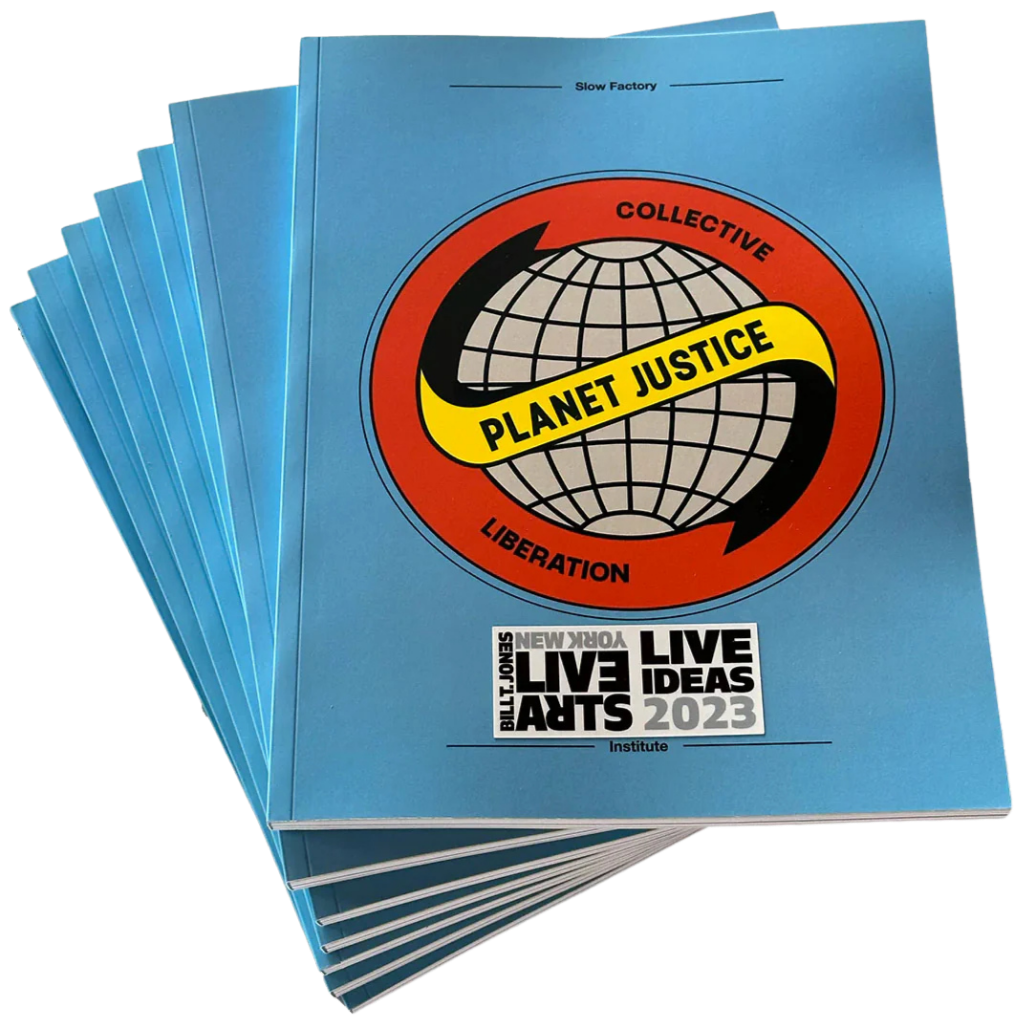
coming soon
Zines
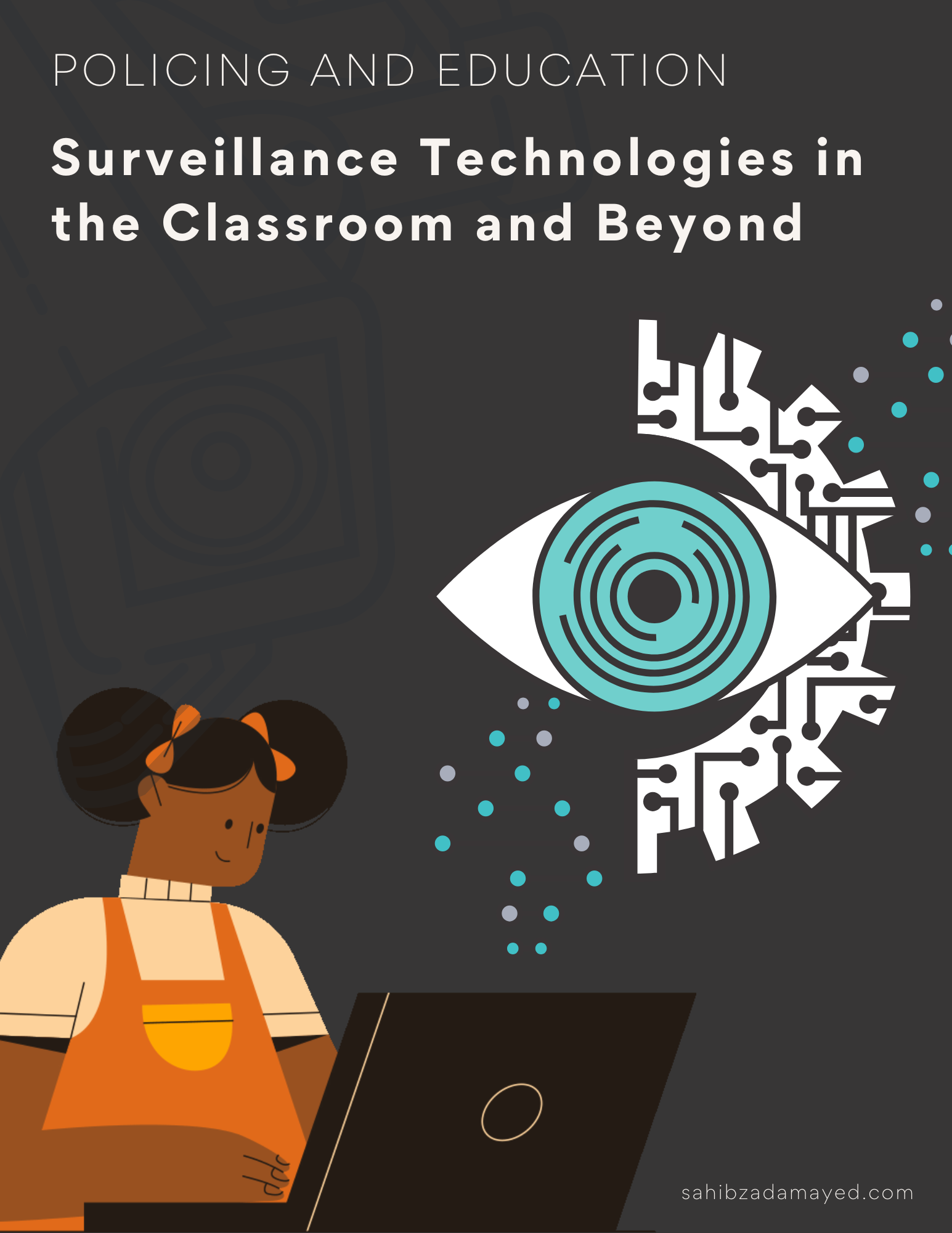
Policing and Education: Surveillance Tech in the Classroom and Beyond

Reflections from Year of the Tiger by Alice Wong

Reminiscing the Future of Design in Higher Education 2022 Convening

Seeing what grows: Humanizing approaches to virtual learning